E-commerce brands are massively abandoning sterile packshots on white backgrounds in favor of narrative lifestyle shots. This isn't a trend, it's a response to shifting consumer expectations from people who want not just to see a product, but to feel it in the context of their own lives. Learn how to build visual product storytelling through set design and context.
The end of the white background era, why brands are changing aesthetics
2026 brings a clear shift in e-commerce aesthetics. Google Trends and Shopify reports indicate that premium brands increasingly abandon classic white-background packshots as main product photos in favor of lifestyle photography. The reason is simple: online shoppers are flooded with identically-looking products in identical white frames. The only way to stand out becomes visual narrative, telling the product's story through the context of its use. Nielsen Norman Group research confirms: lifestyle photos generate 67% higher emotional engagement than packshots.
Types of visual storytelling
Visual storytelling in product photography is not a single technique, it's a spectrum of approaches, each telling a different story about the product and its user.
Lifestyle and usage context
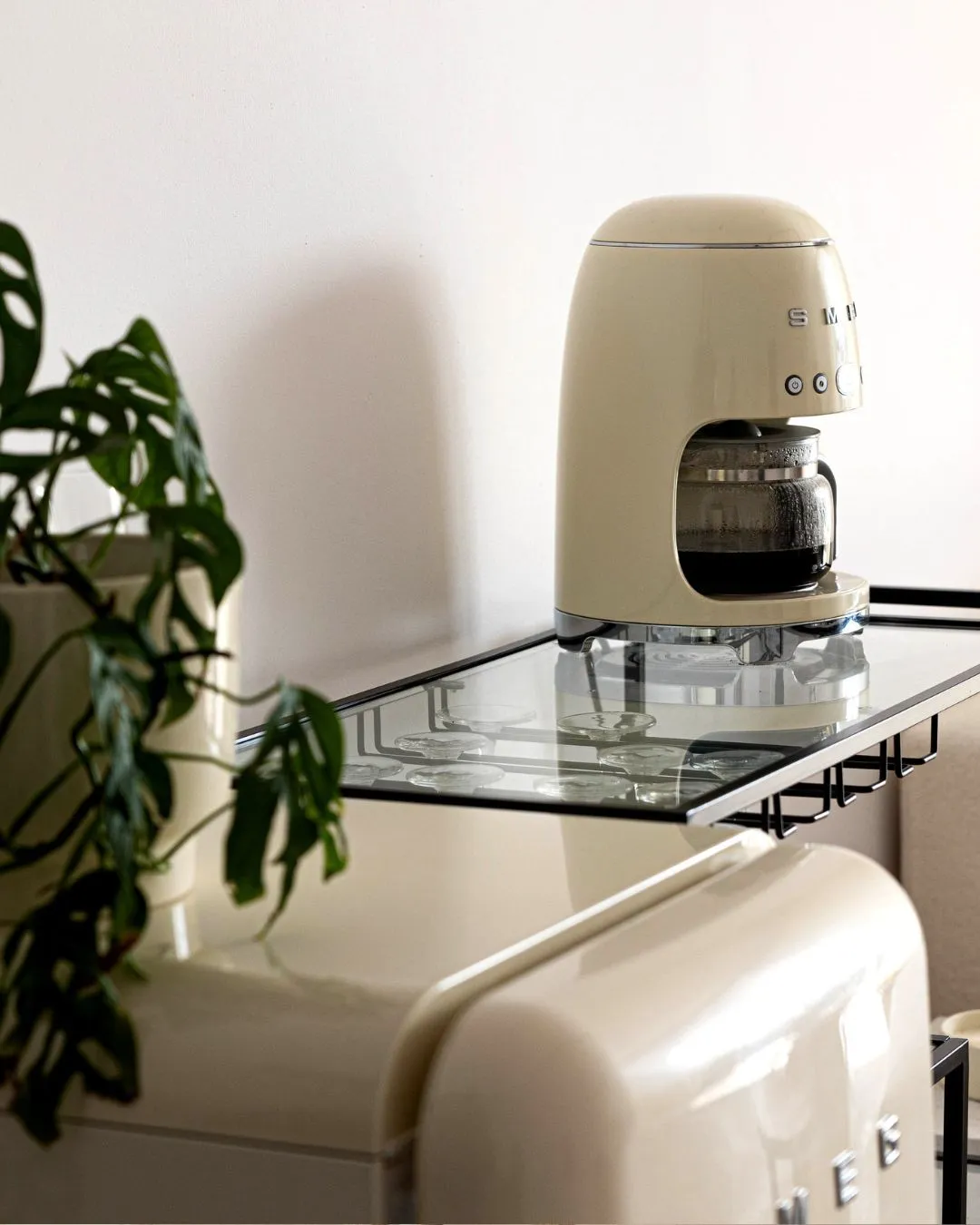
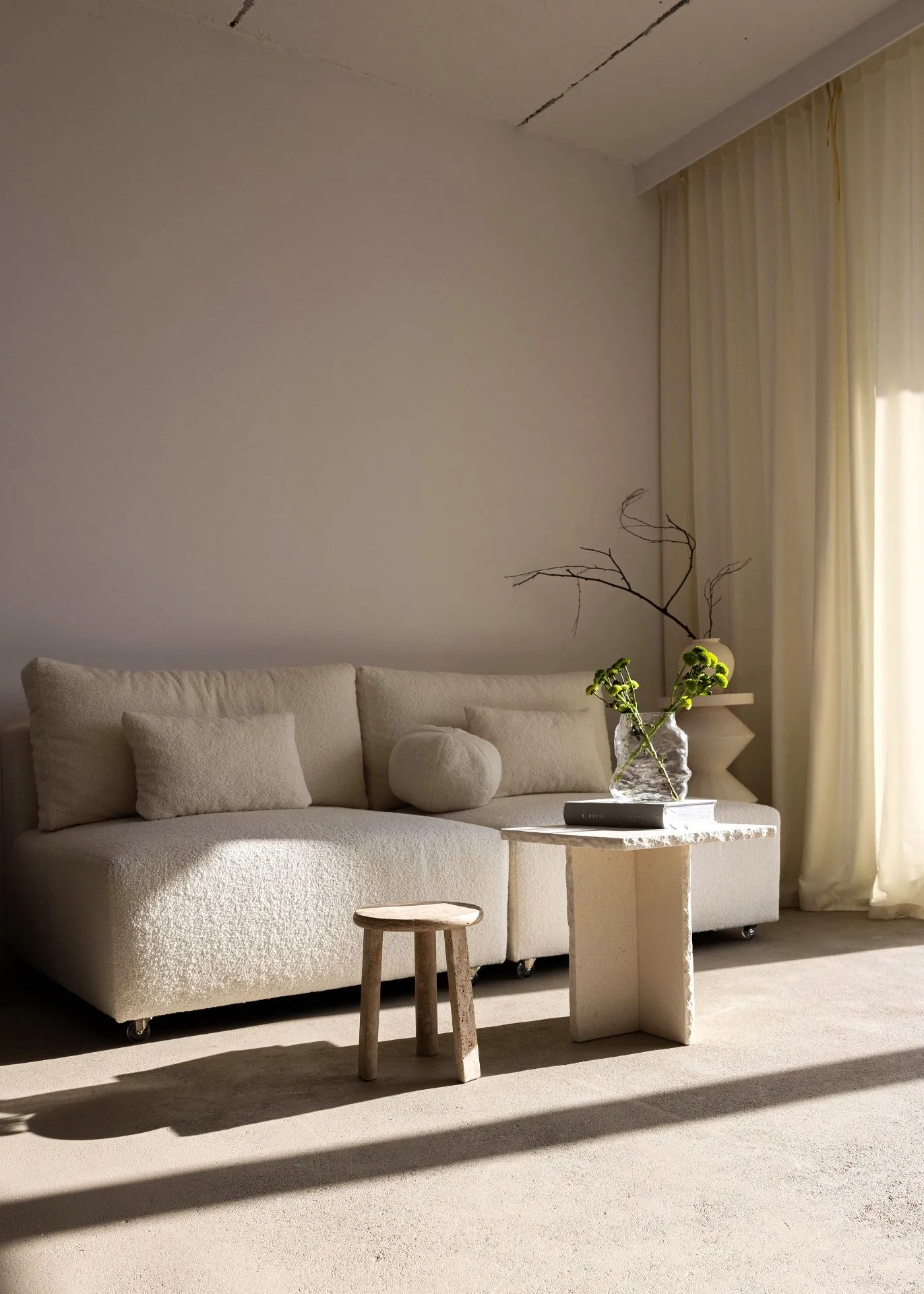
Product in its natural use environment, coffee in a cozy kitchen on a morning, a backpack in a mountain setting, a cosmetic on a marble bathroom shelf. This type of narrative sells not the product, but an aspiration and emotion. The customer isn't buying a cup, they're buying a slow morning. At SPOT 2.0, the kitchen area, sofa and furniture create ready-made, authentic lifestyle spaces without needing to rent an apartment for the session.
Flat lay and composition
Top-down view, flat lay, is one of the most popular formats in lifestyle product photography, particularly in categories: cosmetics, food, stationery, fashion accessories. The key to a good flat lay is a thoughtful color palette: complementary or analogous colors create a cohesive, aesthetic composition. Rule of thirds, negative space and rhythm of repeating elements are the fundamentals of flat lay composition.
Set design and props
Building atmosphere through carefully selected props is an art in itself. Every element in the frame says something about the brand and its customers: marble countertop suggests luxury, wood, naturalness and ecology, metallic accents, modernity and prestige. The color scheme of the set should correspond with the brand's visual identity palette, but shouldn't dominate it. Rule: props support the product, not compete with it for attention.
SPOT 2.0, the perfect studio for set design
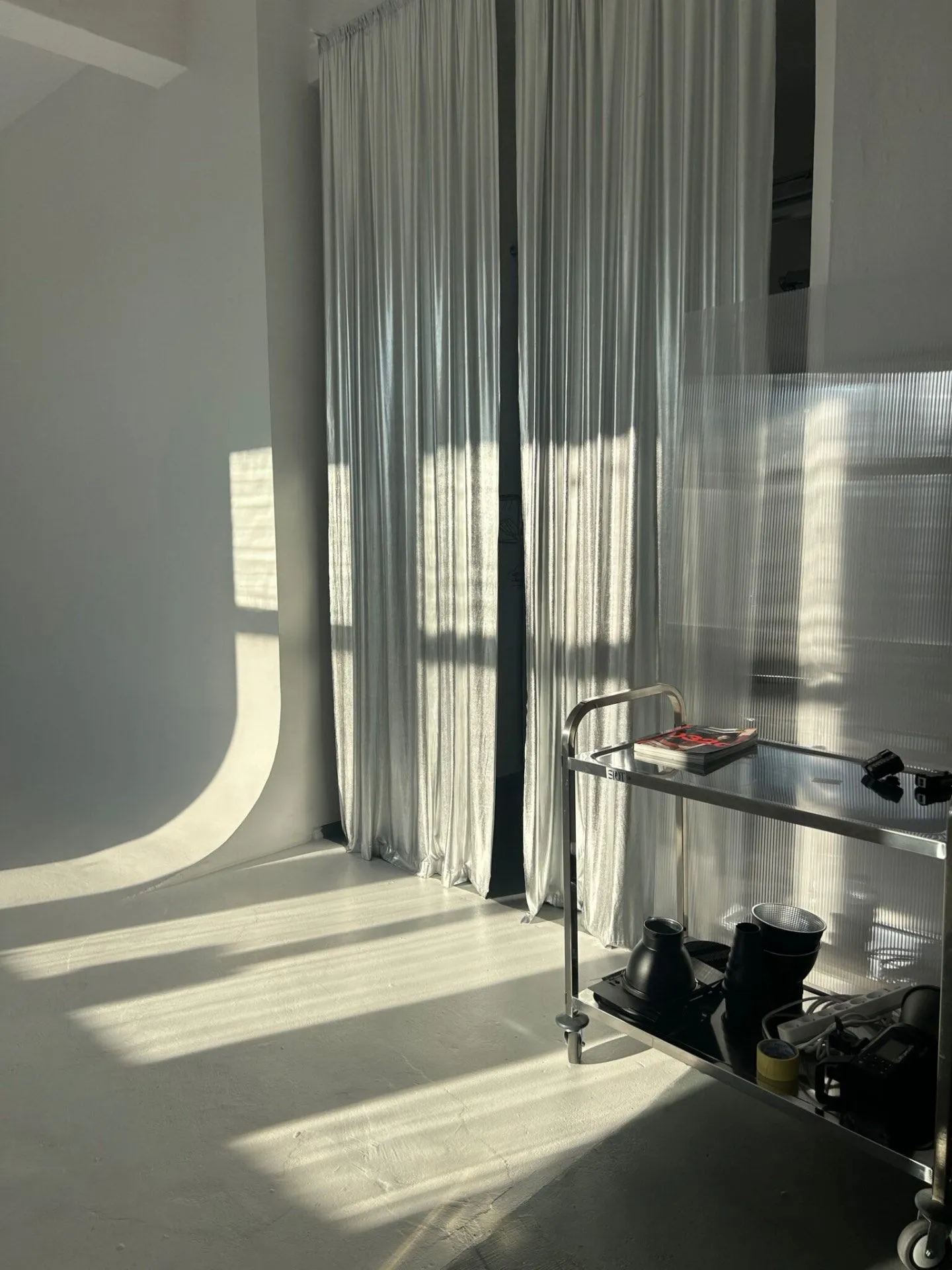
SPOT 2.0 at ul. Solskiego 6 offers infrastructure that most photography studios don't have, lifestyle spaces ready to use without building sets from scratch.
- 60 m² of space, enough room for an elaborate set without feeling cramped in the frame
- Kitchen area, authentic kitchen space with countertop, sink and appliances for food and lifestyle product photography
- Sofa and furniture, ready-made lifestyle setup for fashion, cosmetics and home decor product sessions
- Natural light through windows, option to work with natural window light as a complement or main source
- Neutral grey walls, option to change wall tone with roll backgrounds or decorative panels
How to plan a lifestyle session step by step
Mood board and inspiration
Before every lifestyle session, prepare a mood board, a collection of visual references from Pinterest, Instagram or platforms like Unsplash. The mood board should contain: examples of the desired color palette, lighting style (soft natural, contrasting dramatic, studio even), props and set design style. Share the mood board with the photographer before the session, this saves time on location and eliminates misunderstandings about expected aesthetics.
Prop preparation
A props list for a lifestyle session should be prepared a week before the session. Props can be brought from home, rented from a prop house or purchased and returned to the store after the session. Key rules: props should not be recognizable as specific brands (unless intentional co-branding), prop scale should be proportional to the product, condition, perfect, without scratches or stains.
Lighting for lifestyle
Lifestyle photography loves soft, directional light, natural window light or its studio imitation. A 120×80cm softbox with diffuser positioned at about 45 degrees from a window gives a natural, flattering look. Avoid hard, frontal lighting that makes the scene look like a product catalog rather than lifestyle content. A fill card (white styrofoam or dedicated reflector) on the other side eliminates overly deep shadows without adding an artificial light source.
The best product photos are those where the customer can imagine that it’s their product in their life.
Book a lifestyle session at SPOT 2.0
Kitchen area, sofa, natural light — SPOT 2.0 is ready for your lifestyle session. Book now